Table of Contents
- Introduction-Managing Moisture Humidity for Mold Control
- Understanding Dampness and Fungus
- 2.1 What is Wetness?
- 2.2 The Relationship Between Dampness and Fungus Growth
- The Dangers of Excessive Humidness
- 3.1 Structural Damage
- 3.2 Health Risks
- Identifying High Moisture Areas
- 4.1 Bathroom and Kitchen
- 4.2 Basements and Crawl Spaces
- Measuring Wetness Levels
- 5.1 Hygrometers: Your Humidness Monitoring Tool
- Effective Strategies Humidity for Mold Control
- 6.1 Ventilation is Key
- 6.2 Dehumidifiers: Regulating Wetness
- 6.3 Air Conditioning for Fungus Prevention
- Natural Remedies for Moisture Control
- 7.1 Houseplants: Nature’s Dehumidifiers
- 7.2 Charcoal: Absorbing Excess Moisture
- Maintaining Optimal Humidness Levels
- 8.1 Regular Cleaning and Maintenance
- 8.2 Fixing Leaks and Sealing Cracks
- Importance of Proper Ventilation
- 9.1 Air Circulation and Fungus Prevention
- 9.2 Ventilation Tips for Every Season
- Moisture-Resistant Materials and Construction
- 10.1 Choosing Fungus-Resistant Building Materials
- 10.2 Proper Insulation Humidity for Mold Control
- The Role of Wetness in Fungus Remediation
- 11.1 Professional Fungus Inspection and Remediation
- 11.2 DIY Fungus Removal: Precautions and Guidelines
- Preventing Moisture in New Constructions
- 12.1 Designing Mildew-Resistant Homes and Buildings
- 12.2 Long-Term Benefits of Mildew-Preventative Construction
- Addressing Dampness in Different Climates
- 13.1 Humidity for Mold Control in Hot and Humid Regions
- 13.2 Humidity for Mold Control in Cold and Damp Climates
- Common Myths about Moisture and Mildew
- 14.1 Myth: High Dampness Kills Mildew
- 14.2 Myth: Mildew Only Grows in Dirty Environments
- Conclusion

Introduction: Managing Humidity for Mold Control
Humidity is a critical factor that affects our living environment. While moderate Dewiness levels are essential for our comfort, excessive Mugginess can lead to various problems, the most common being mold growth. Mildew not only damages our homes but can also pose serious health risks. This article will delve into the importance of managing Mugginess to control mold growth and explore practical strategies for keeping mold at bay.
Understanding Humidness for Mold Control
2.1 What is Humidity?
Humidity refers to the amount of moisture present in the air. It is measured as a percentage, with 100% Dewiness indicating that the air is fully saturated with water vapor. Mugginess levels fluctuate based on weather, temperature, and ventilation.
2.2 The Relationship Between Humidity and Mildew Growth
Mildew requires three primary factors to thrive: moisture, a suitable surface, and darkness. Of these, moisture is the most critical element. When Clamminess levels are high, surfaces in our homes become damp, creating an ideal environment for mold spores to settle and grow.
The Dangers of Excessive Humidness
3.1 Structural Damage
Excess humidity can lead to structural problems in our homes. Mildew can gradually eat away at building materials, compromising their integrity. This can result in weakened walls, floors, and ceilings, leading to costly repairs.
3.2 Health Risks
Mold releases spores into the air, and when inhaled, they can cause health issues, particularly for those with allergies or respiratory conditions. Symptoms may include sneezing, coughing, wheezing, and skin irritation.
Identifying High Mugginess Areas
4.1 Bathroom and Kitchen
Bathrooms and kitchens are common areas prone to high Clamminess due to frequent water usage. Proper ventilation is essential in these spaces to prevent mold growth.
4.2 Basements and Crawl Spaces
Basements and crawl spaces often have poor ventilation, leading to trapped moisture and high Dewiness levels. Addressing these areas is crucial for mold control.
Measuring Clamminess Levels
5.1 Hygrometers: Your Humidity Monitoring Tool
To effectively manage Mugginess, invest in a hygrometer. This device measures indoor humidity, helping you identify areas with high moisture content.
Effective Strategies for Mold Control
6.1 Ventilation is Key
Proper ventilation allows fresh air to circulate, reducing Dewiness levels. Open windows and use exhaust fans in moisture-prone areas, like bathrooms and kitchens.
6.2 Dehumidifiers: Regulating Stickiness
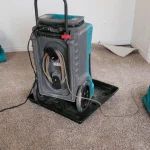
Dehumidifiers are excellent tools for reducing Mugginess levels in enclosed spaces. They help maintain optimal Condensation and prevent Blight growth.
6.3 Air Conditioning for Mold Prevention
Air conditioning not only cools the air but also reduces Dewiness. Running your AC on hot and humid days can help control Blight growth.
Natural Remedies for Stickiness Control
7.1 Houseplants: Nature’s Dehumidifiers
Certain houseplants, like Boston ferns and peace lilies, absorb excess moisture, acting as natural dehumidifiers.
7.2 Charcoal: Absorbing Excess Moisture
Placing charcoal briquettes in enclosed spaces can help absorb moisture and keep Dewiness levels in check.
Maintaining Optimal Moist ai Levels
8.1 Regular Cleaning and Maintenance
Frequently clean and inspect your home to identify and address sources of moisture, such as leaks and water spills.
8.2 Fixing Leaks and Sealing Cracks
Promptly repair any leaks or cracks in your home’s structure to prevent water seepage and Blight growth.
Importance of Proper Ventilation
9.1 Air Circulation and Mold Prevention
Adequate air circulation helps maintain lower Stickiness levels, minimizing the chances of Blight infestations.
9.2 Ventilation Tips for Every Season
Adjust your ventilation strategies based on the seasons to ensure a comfortable and Blight-free living environment.
Mugginess-Resistant Materials and Construction
10.1 Choosing Mold-Resistant Building Materials
Opt for Blight-resistant materials like mold-resistant drywall and paint when renovating or constructing.
10.2 Proper Insulation for Mold Control
Insulate your home correctly to prevent temperature fluctuations leading to condensation and Blight growth.
The Role of Condensation in Mold Remediation
11.1 Professional Mold Inspection and Remediation
For extensive die growth, seek professional die inspection and remediation services for safe and effective removal.
11.2 DIY Mold Removal: Precautions and Guidelines
For minor die issues, follow proper safety precautions and guidelines when removing die yourself.
Preventing Sweating in New Constructions
12.1 Designing Mold-Resistant Homes and Buildings
Incorporate die-preventative design elements during the construction of new homes and buildings.
12.2 Long-Term Benefits of Mold-Preventative Construction
Die-resistant construction provides long-term benefits, saving homeowners from potential die-related issues.
Addressing Condensation in Different Climates
13.1 Mold Control in Hot and Humid Regions
For those living in hot and humid climates, Stickiness control becomes even more critical to prevent pattern growth.
13.2 Mold Control in Cold and Damp Climates
Even in colder regions, Mugginess can be an issue. Implement strategies to maintain optimal Stickiness levels indoors.
Common Myths about Dewiness and Mold
14.1 Myth: High Humidity Kills pattern
Contrary to popular belief, high Dewiness does not kill pattern. It promotes pattern growth.
14.2 Myth: Mold Only Grows in Dirty Environments
pattern can grow in clean environments as long as there is sufficient moisture. Maintaining cleanliness alone is not enough to prevent pattern.
Conclusion
Discover the key to a pattern-free haven with Protech Restoration in Chicago! Take charge of your home’s well-being and the safety of your loved ones by managing Mugginess effectively. Our expert team implements powerful strategies like improved ventilation, top-notch dehumidifiers, and selecting determine-resistant materials. Don’t wait for determine to strike; act now with regular maintenance and vigilance. Reach out to Protech Restoration today and ensure a healthy living environment for a lifetime. Contact us now!
FAQs
-
Can mold grow in dry climates?
Determine requires moisture to grow, making it less likely to thrive in dry climates. However, indoor Stickiness levels can still be a concern.
-
Are there any health risks associated with mold exposure?
Yes, mold exposure can lead to health issues, especially for individuals with allergies or respiratory conditions.
-
How do I know if my home has high Sweating levels?
You can use a hygrometer to measure indoor humidity levels. A reading above 50% indicates high humidity.
-
Are all types of mold dangerous?
While not all molds are toxic, they can still cause health problems and damage your home.
-
Can mold be eliminated from a home?
With proper remediation, mold growth can be controlled and reduced, but it’s challenging to eliminate it without addressing the moisture source.