Water Extraction and Drying Tips: A Comprehensive Guide for Chicago Homeowners
Water damage can strike unexpectedly, leaving homeowners scrambling to mitigate the impact. Whether caused by a burst pipe, severe weather, or an appliance malfunction, swift action is crucial to prevent further damage and mold growth. This guide provides actionable water extraction and drying tips for Chicago residents to help safeguard their homes and restore normalcy quickly.
Why Quick Water Extraction is Critical
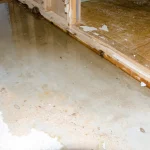
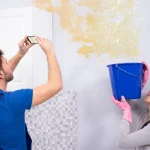
Water damage doesn’t wait, and neither should you. Standing liquid can deteriorate materials like drywall, wood, and carpets within hours, leading to costly repairs. Key steps to mitigate liquid damage:
- Stop the Source: Identify and shut off the liquid source immediately.
- Begin Extraction: Use pumps or wet vacuums to remove standing liquid.
- Dry the Area: Deploy fans, dehumidifiers, and ventilation to remove moisture.
For extensive damage, it’s wise to seek professional assistance for affordable water damage restoration to ensure your home is safe and mold-free.
Water Extraction and Drying Tips to Save Your Property
1. Start with Efficient Liquid Extraction
The first step is to remove as much liquid as possible. Whether you use a professional-grade extractor or a shop vacuum, acting quickly reduces long-term damage. For residents in Chicago, where homes often feature expensive flooring and furnishings, professional services can be invaluable.
2. Use the Right Drying Methods
Drying is a multi-step process that must be executed thoroughly to avoid hidden moisture. Here are some tried-and-true water extraction and drying tips:
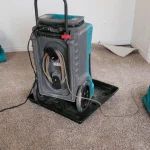
- Dehumidifiers: These machines pull moisture from the air and accelerate drying.
- Fans and Ventilation: High-powered fans circulate air and reduce drying time.
- Heat Applications: In colder months, using a heater can speed up the evaporation process.
Combining these techniques ensures you minimize risks of mold growth and structural damage.

3. Focus on Problem Areas
Areas like basements and attics in Chicago homes are prone to retaining hidden moisture. Check these spaces carefully. For residents dealing with sewer backups, consider exploring Post-Holiday Sewage Damage Restoration services to avoid contamination risks.
4. Prevent Mold Growth
After H2O extraction, mold prevention is paramount. Mold spores thrive in moist conditions and can spread within 24-48 hours. Some practical steps include:
- Sanitize Surfaces: Use mold-killing solutions on affected surfaces.
- Monitor Humidity: Keep indoor humidity below 50%.
- Professional Inspections: Chicago homes often benefit from expert evaluations for professional mold remediation to eliminate any remaining spores.
5. Check for Hidden Moisture
Even when everything appears dry, hidden moisture can lurk behind walls and under flooring. Infrared cameras and moisture meters are invaluable tools for detecting damp spots.
Why Choose Professional Help in Chicago
With its unique climate and aging infrastructure, Chicago properties require tailored solutions for H2O damage. Neighborhoods like Wicker Park, Logan Square, and Old Town feature older homes that often need specialized care during restoration. Professionals not only bring expertise but also reduce water removal and damage restoration costs by ensuring the job is done right the first time.
If you’re ready to act now, fill out our online form to schedule an inspection with our local H2O damage experts. Don’t wait—secure your home today!
Frequently Asked Questions (FAQs)
- What are the common methods used for drying after H2O extraction?
Dehumidifiers, air movers, and heat drying are common techniques for efficient drying. - How can I prevent mold growth after H2O damage?
Thoroughly dry all areas, sanitize surfaces, and maintain low indoor humidity. - What should I do immediately after experiencing H2O damage?
Stop the H2O source, remove excess H2O, and contact professionals if needed. - How do I know if my property has hidden moisture after H2O damage?
Use moisture meters or consult professionals for inspections. - What are the risks of improper H2O extraction and drying?
Improper handling can lead to structural damage, mold growth, and health hazards.
For a detailed guide on H2O damage restoration, visit FEMA’s Water Damage Recovery Tips.
Key Takeaways for Chicago Homeowners
Water damage is a time-sensitive issue that demands immediate attention. By following these water extraction and drying tips, residents in Chicago neighborhoods can act swiftly to protect their homes and prevent further damage. Remember to invest in professional help when needed, especially for services like Post-Holiday Sewage Damage Restoration, Professional Mold Remediation, and Affordable Water Damage Restoration.
Fill out our form here today to schedule your H2O damage inspection and ensure a safe, dry home for you and your family.
Don’t Delay – Schedule Your Inspection Today!
Act quickly to minimize damage and save on repair costs. Click here to fill out our form and get started with Chicago’s trusted H2O damage restoration experts.