Do You Understand the Health Risks of Fluid Damage? Exploring Mold Growth, Respiratory Issues, and Contaminated Wetness
Water harm is a common issue that many homeowners face, often stemming from leaks, floods, or plumbing issues. While the visible property defacement can be distressing, there are also significant health risks associated with water defacement that should not be underestimated. In this blog, we’ll explore the various health risks that can arise from Fluid defacement and provide insights into how to mitigate these dangers.
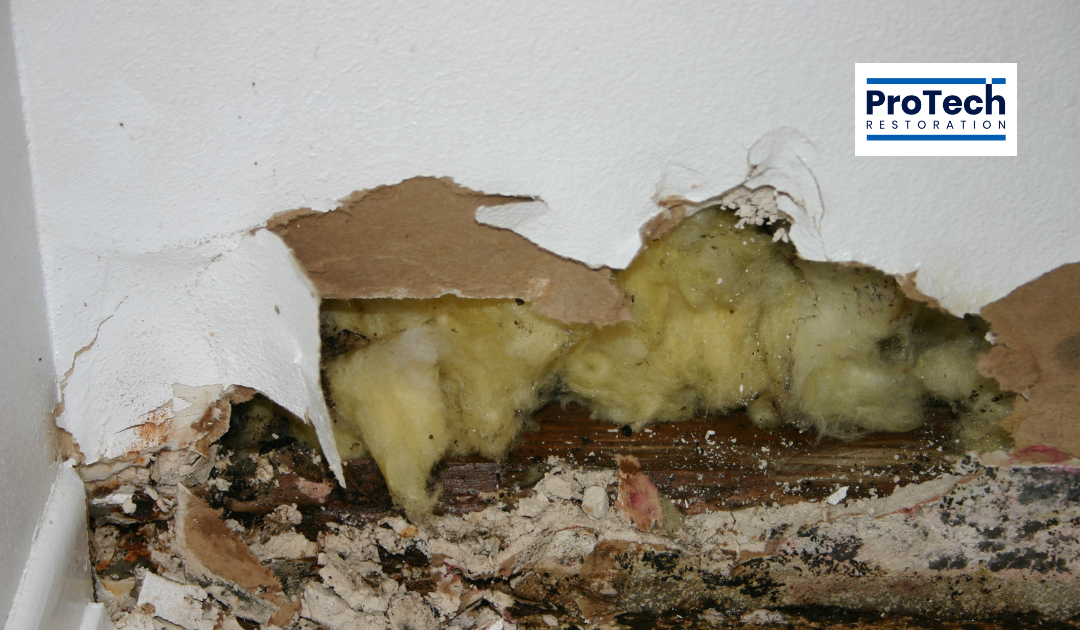
Mold Growth:
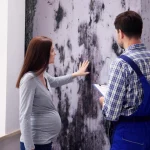
A Silent Health Hazard One of the most pressing health risks associated with Fluid harm is mold growth. Mold thrives in damp, humid environments, making water-damaged areas ideal breeding grounds. Exposure to mold spores can trigger a range of health problems, especially for those with allergies, asthma, or weakened immune systems.

Mold spores can lead to respiratory issues, such as coughing, sneezing, and wheezing. Prolonged exposure might even cause more severe reactions, including chronic sinusitis and fungal infections. To prevent mold growth, it’s essential to address Moisture harm promptly, ensuring that affected areas are thoroughly dried and properly ventilated.
Air Quality Concerns Water deterioration can negatively impact indoor air quality. As damp materials and surfaces promote mold growth, the spores released can be airborne, leading to contamination of the air you breathe. Poor indoor air quality can exacerbate existing respiratory conditions and cause symptoms like headaches, fatigue, and irritation of the eyes, nose, and throat.
To maintain good air quality, it’s crucial to promptly address Fluid deterioration, thoroughly dry affected areas, and use air purifiers or dehumidifiers if necessary.
Bacterial Contamination In cases of flooding, water deterioration can introduce harmful bacteria and pathogens into your home. Contaminated Fluid can carry various disease-causing microorganisms, posing significant health risks. Common illnesses associated with bacterial contamination from Wetness deterioration include gastrointestinal infections, skin infections, and even more severe diseases like cholera.
If your home has experienced flooding, it’s essential to avoid contact with standing Fluid and thoroughly disinfect and sanitize affected areas. Professional cleaning and restoration services might be necessary to ensure the complete removal of harmful bacteria.
Structural Integrity and Injury Risks Moisture impairment can weaken the structural integrity of your home, making it unsafe for occupants. Soggy ceilings, weakened floors, and compromised walls can collapse unexpectedly, leading to serious injuries. Additionally, hidden hazards like exposed electrical wiring can increase the risk of electrical shocks and fires.
If you suspect structural destruction due to Moisture, it’s crucial to evacuate the area and seek professional assistance immediately. Avoid entering unsafe areas until professionals have inspected and declared them safe.
Preventing Health Risks from Water destruction Prevention is key to avoiding the health risks associated with Liquid destruction. Here are some steps you can take:
- Regular Maintenance: Keep your home well-maintained, addressing plumbing issues and leaks promptly.
- Proper Ventilation: Ensure proper ventilation in high-moisture areas like bathrooms and kitchens to prevent moisture buildup.
- Effective Drainage: Maintain proper drainage systems around your home to prevent water from pooling near the foundation.
- Immediate Action: If you notice Liquid harm, take immediate action to dry and disinfect affected areas or seek professional help.
- Professional Assistance: For extensive Moisture harm, flooding, or mold growth, it’s best to hire professionals who specialize in restoration and remediation.
Conclusion:
In Conclusion, Understanding the health risks associated with Liquid deterioration is crucial for maintaining a safe and healthy living environment. By promptly addressing water deterioration, preventing mold growth, ensuring good air quality, and taking necessary precautions, you can safeguard yourself and your family from the potential health hazards that water damage can bring. Remember, when in doubt, always seek professional guidance to ensure thorough restoration and mitigation of risks.
FAQ’S
1: How can I tell if my home has Ocean ruin, and what should I do if I suspect it?
Detecting water ruin in your home can sometimes be challenging, as it’s not always visible. Here are some signs to look for:
- Discoloration: Stains or discoloration on walls, ceilings, or floors could indicate Liquid ruin.
- Odor: Musty or moldy smells in specific areas of your home can be a sign of hidden moisture issues.
- Peeling Paint or Wallpaper: Moisture can cause paint or wallpaper to peel or bubble.
- Warped or Buckled Floors: If your hardwood floors are warping or laminate flooring is buckling, it might be due to Wetness Spoilage.
- Visible Mold: If you see mold growth, especially in damp areas like basements or bathrooms, Liquid damage might be the root cause.
If you suspect water Spoilage, it’s essential to take action promptly:
- Inspect: Determine the extent of the Spoilage and identify the source if possible.
- Stop the Source: If it’s safe to do so, stop the Wetness source. For plumbing issues, turn off the water supply.
- Call Professionals: For extensive Spoilage or if mold is present, contact professionals who specialize in Ocean Spoilage restoration.
2: Can I handle water devastation restoration on my own, or should I always hire professionals?
While you can address minor Ocean devastation issues yourself, extensive devastation or situations involving mold or structural concerns are best left to professionals. Here’s a general guideline:
DIY Wetness Damage:
- Small leaks or drips from a faucet or pipe.
- Minor ceiling or wall stains with no structural devastation.
- Minor floor devastation that doesn’t affect the structural integrity.
Professional Assistance Required:
- Extensive flooding or standing water.
- Significant structural defacement, such as sagging ceilings or weakened walls.
- Visible mold growth.
- Sewage backups.
- Electrical hazards due to Ocean exposure.
When in doubt, it’s safer to consult with professionals who have the expertise and equipment to assess and address the situation properly. They can ensure that all health risks associated with Ocean defacement are effectively mitigated.