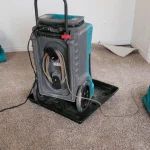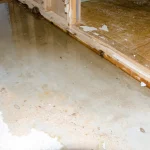
Indoor sewage spills are a distressing and often hazardous occurrence in homes. The impact of such spills extends beyond the immediate inconvenience and unpleasantness, posing significant environmental risks. Understanding these risks and how to effectively manage them is crucial for homeowners, both for protecting their health and for safeguarding the environment.
Environmental Consequences of Indoor Sewage Spills
1. Contamination of Water Sources
One of the most pressing concerns with indoor sewage spills is the potential contamination of water sources. If not properly contained and treated, sewage can find its way into groundwater, streams, and even drinking water sources, leading to severe water pollution.
2. Harm to Aquatic Life
Sewage contains a variety of harmful substances, including bacteria, viruses, and chemicals, which can be detrimental to aquatic life. When sewage spills into natural water bodies, it can disrupt the delicate balance of these ecosystems, leading to a decline in fish and other aquatic populations.
3. Soil Contamination
Sewage spills can lead to soil contamination. This not only affects plant life but can also pose a long-term risk to humans and animals through the food chain. Contaminated soil can also affect groundwater quality.
4. Air Pollution
The release of harmful gasses and odors is a common consequence of sewage spills. These emissions can contribute to indoor air pollution, posing health risks to inhabitants and worsening overall air quality.
Effective Management Strategies
Immediate Response
- Containment: The first step is to contain the spill to prevent further spread.
- Professional Cleanup: Engage professional cleaning services that specialize in handling hazardous materials.
Long-term Management
- Regular Maintenance: Regular maintenance of sewage and plumbing systems can prevent future spills.
- Proper Disposal of Wastes: Ensuring that harmful chemicals and non-biodegradable materials are not disposed of down the drain.
Community Awareness
- Education: Educating the community about the risks associated with sewage spills and the importance of proper waste management.
- Reporting: Encouraging prompt reporting of spills to local authorities for swift action.
Conclusion
The environmental impact of indoor sewage spills is a serious issue that requires immediate attention and responsible management. As homeowners, it is our duty to ensure that our properties do not become a source of environmental harm. We must be vigilant in maintaining our plumbing systems, educating ourselves and our communities, and responding swiftly and effectively in the event of a spill. Let’s commit to being part of the solution, for the sake of our health and the health of our planet. Contact Protech Restoration today!
FAQ’S
1: What immediate steps should I take in the event of an indoor Effluent spill?
The first step is to contain the spill to prevent it from spreading. Turn off the source of the spill if possible and avoid contact with the sewage. Immediately call professional cleaning services that specialize in handling hazardous materials to clean and disinfect the area.
2: How can regular maintenance prevent Wastewater spills?
Regular maintenance of your sewage and plumbing systems can identify potential issues before they escalate into major problems. This includes checking for clogs, leaks, and wear and tear in pipes and fixtures, which are often the precursors to sewage spills. Regular maintenance reduces the likelihood of unexpected and severe spill incidents.