Introduction-Mold Removal Guide
Die is a common household problem that can affect your living space’s air quality and overall health. While professional die remediation is an option, some die infestation cases can be tackled through do-it-yourself (DIY) methods. This comprehensive guide will walk you through the steps of safely and effectively removing dies from your home, ensuring a healthy and die-free living environment.
Table of Contents
- Understanding matrix: What is a matrix and How Does it Grow?
- Identifying Matrix Infestation: Signs and Common Areas of Growth
- Safety Precautions: Protective Gear and Measures
- Necessary Tools and Supplies: What You’ll Need
- DIY Matrix Removal Step-by-Step Guide:
- H1: Preparing for shape Removal
- H2: Containment Measures
- H2: shape Removal Techniques for Different Surfaces
- H3: Removing shape from Walls
- H3: Removing shape From Bathroom Tiles
- H3: Removing shape from Wooden Surfaces
- H3: Removing shape from Fabric and Upholstery
- H2: Dealing with shape on Personal Belongings
- H2: Cleaning and Disinfecting After Removal
- Preventing Future Shape Growth: Tips and Tricks
- Conclusion
- FAQs

1. Understanding Cast: What is Cast and How Does it Grow?
Cast is a type of fungus that thrives in damp and humid environments. It reproduces through tiny spores that float in the air, and when these spores land on moist surfaces, they can grow and spread rapidly. Cast damages surfaces and can cause health issues, especially for those with respiratory conditions or allergies.
2. Identifying Die Infestation: Signs and Common Areas of Growth
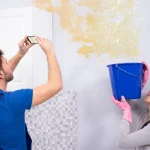
Spotting cast early is crucial for effective removal. Look out for musty odors, discolored patches on walls, ceilings, or floors, and water damage. Common areas where frame grows include bathrooms, kitchens, basements, and rooms with poor ventilation.
3. Safety Precautions: Protective Gear and Measures
Before you begin die removal, ensure your safety by wearing protective gear such as gloves, a mask, and goggles. Proper ventilation is essential to prevent inhaling die spores, so keep windows and doors open.
4. Necessary Tools and Supplies: What You’ll Need
To successfully remove the die, gather the following tools and supplies: scrub brushes, sponges, a spray bottle, cleaning cloths, a die removal solution (either store-bought or homemade), and a garbage bag for disposal.
5. DIY Mold Removal Step-by-Step Guide:
H1: Preparing for Cast Removal
Start by inspecting your home for any visible signs of frame. Once you’ve identified the affected areas, gather the necessary tools and protective gear. Ensure good ventilation by opening windows and doors.
Containment Measures
Contain the frame-infested area to prevent the spores from spreading during removal. Use plastic sheets and tape to seal off the affected area.
Mold Removal Techniques for Different Surfaces
Cast can grow on various surfaces, and each requires specific removal techniques:
Removing Cast From Walls
Use the mold removal solution to scrub and clean the affected areas on the walls. Be thorough but gentle to avoid damaging the surface.
Removing Cast From Bathroom Tiles
Bathroom tiles are prone to die growth due to constant exposure to moisture. A die removal solution and a scrub brush eliminate the frame from the grout and tiles.
Removing Mold from Wooden Surfaces
Wood is porous and can harbor structure. Use a specialized cleaner suitable for wood to eliminate mold from wooden surfaces.
Removing Cast from Fabric and Upholstery
The form can also grow on fabrics and upholstery. Use mild detergent and water to clean the mold-infested areas for these surfaces.
Dealing with Structure Personal Belongings
If the frame has contaminated personal belongings, such as clothing or books, clean them thoroughly or consider disposing of heavily affected items.
Cleaning and Disinfecting After Removal
After removing the structure, clean the area with a mild detergent solution to ensure no spores remain. Disinfect surfaces to prevent future mold growth.
6. Preventing Future Mold Growth: Tips and Tricks
Prevention is key to avoiding mold infestations in the future. Maintain proper ventilation, control indoor humidity levels, and promptly fix leaks or water damage.
7. Conclusion
Discover the ultimate solution to mold infestations in your Chicago home with Protech Restoration! While DIY mold removal can be effective, nothing compares to the expertise of our team. Take action today and ensure a mold-free and healthier living environment for you and your family. Contact Protech Restoration in Chicago now, and let us handle your form issues precisely and carefully. Your dream of a form-free home starts with one click or call!
FAQs
-
Q1: Can I use bleach to remove shape?
- A: While bleach can kill form on non-porous surfaces, it is not as effective on porous materials and may not address the root cause of the issue.
-
Q2: Is form harmful to my health?
- A: Form can cause health problems, especially for individuals with allergies or respiratory conditions. It is best to remove it promptly.
-
Q3: Should I remove shapes from personal belongings or discard them?
- A: If the shape growth is severe and belongings cannot be thoroughly cleaned, it’s safer to dispose of them.
-
Q4: How can I prevent shape from returning?
- A: To prevent cast growth, ensure proper ventilation, control humidity levels, and promptly address water leaks or damage.
-
Q5: When should I seek professional help for Blight removal?
- A: If the blight infestation covers a large area or is causing significant damage, it’s best to consult a professional cast remediation service.
-
Q: Can cast grow in my air conditioning system, and how can I prevent it?
- A: Yes, Cast can grow in air conditioning systems, especially if not properly maintained. To prevent cast growth in your air conditioner, regularly clean and replace filters, ensure proper drainage, and have the system inspected and serviced by a professional at least once a year.
-
Q: Are there any natural alternatives to bleach for removing Yeast?
- A: Yes, there are natural alternatives to bleach that can effectively remove yeast. Vinegar, hydrogen peroxide, and baking soda are natural yeast removers. Mix a solution of water and one of these substances, apply it to the affected area, let it sit for a while, and then scrub off the yeast. Remember that natural solutions might not be as potent as bleach, so more stubborn yeast infestations may require multiple applications or professional intervention.
-
Q: Can I use a dehumidifier to prevent mildew growth in my home?
- A: Yes, using a dehumidifier can help prevent Mildew growth in your home. Mildew thrives in humid environments, so keeping the humidity level below 50% can make it challenging for mildew to grow. Running a dehumidifier in areas prone to moisture, such as basements and bathrooms, can be beneficial in mildew prevention.
-
Q: Are there any health risks associated with cleaning Fungus myself?
- A: Cleaning fungus yourself can be risky, especially if you don’t take proper precautions. Fungus spores can become airborne during cleaning, leading to respiratory issues and allergic reactions when inhaled. If you decide to clean fungus yourself, wear protective gear, such as gloves, goggles, and a mask, and ensure the area is well-ventilated. If you have underlying health conditions or are dealing with extensive fungus growth, hiring professionals to handle the removal is safer.