Introduction
Sewage cleanup is a critical process that involves removing and remediating wastewater and wastewater-related issues. It is essential to promptly address Sewerage spills, backups, and leaks to prevent health hazards and property damage. This article will discuss effective sewage cleanup procedures to ensure a safe and hygienic environment.
Table of Contents
- Understanding Sewage Cleanup
- Assessing the Situation
- Ensuring Safety Precautions
- Containment and Isolation
- Removing Standing Water
- Disposing of Contaminated Materials
- Cleaning and Sanitizing Affected Areas
- Drying and Dehumidifying
- Repairing and Restoring
- Preventive Measures
- Professional Sewage Cleanup Services
- Insurance Coverage for Sewage Cleanup
- DIY vs. Professional Cleanup
- Common Challenges and How to Overcome Them
- Conclusion
Understanding Sewage Cleanup
Sewage cleanup addresses sewage-related issues, such as spills, backups, and leaks. It involves removing and remediating wastewater, which can contain harmful pathogens, bacteria, and other contaminants. Effective sewage cleanup procedures are crucial to protect human health and prevent further damage to the property.
Assessing the Situation
Before initiating the cleanup process, it is essential to assess the situation carefully. Identify the Wastewater problem’s source and determine the damage’s extent. This assessment will help devise an appropriate cleanup plan and ensure the cleanup crew and occupants’ safety.
Ensuring Safety Precautions
Safety should be a top priority during sewage cleanup. The cleanup crew should wear personal protective equipment (PPE), such as gloves, masks, goggles, and protective clothing. Adequate ventilation and respiratory protection are necessary to avoid inhalation of harmful gases and airborne contaminants.
Containment and Isolation
Isolating and containing the affected areas is crucial to prevent the spread of Wastewater and contaminants. Use plastic sheets, barriers, and sealing techniques to separate the contaminated area from the rest of the property. This step helps minimize cross-contamination and ensures a focused cleanup process.
Removing Standing Water
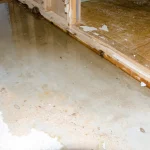
The next step involves removing standing water from the affected area. Use pumps, wet vacuums, or other suitable equipment to extract the wastewater. It is vital to be cautious and thorough while removing water to prevent any remaining moisture that may lead to mold growth or further damage.
Disposing of Contaminated Materials
All porous materials that have come into contact with Sewerage should be promptly disposed of to prevent the spread of contaminants. This includes carpets, furniture, drywall, insulation, and other items that cannot be effectively cleaned and sanitized. Dispose of these materials following local regulations and guidelines.
Cleaning and Sanitizing Affected Areas
Thorough cleaning and sanitization are essential for restoring a safe environment after sewage cleanup. Use appropriate disinfectants and cleaning agents to eliminate bacteria, viruses, and other pathogens. Pay special attention to high-touch surfaces and ensure comprehensive cleaning of all affected areas.
Drying and Dehumidifying
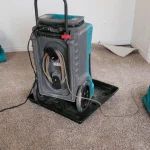
After cleaning, it is crucial to dry and dehumidify the affected areas to prevent mold growth. Use industrial-grade fans, dehumidifiers, and proper ventilation to expedite drying. Monitoring moisture levels is essential to ensure complete drying and minimize the risk of secondary damage.
Repairing and Restoring
Once the affected areas are cleaned, sanitized, and dried, the next step is to repair and restore any structural damage. This may include repairing walls, flooring, plumbing, or electrical systems affected during the Wastewater incident. It is advisable to consult professionals for complex repairs.
Preventive Measures
It is essential to take preventive measures to minimize the risk of future Effluent-related issues. Regular maintenance of plumbing systems, timely repairs of leaks or blockages, and proper waste disposal practices can significantly reduce the likelihood of Wastewater backups and spills.
Professional Sewerage Cleanup Services
In cases of extensive sewage damage or when dealing with hazardous materials, hiring professional sewage cleanup services is recommended. These experts have the knowledge, experience, and specialized equipment to handle complex cleanup situations safely and effectively.
Insurance Coverage for Refuse Water Cleanup
Reviewing your insurance policy to understand the coverage for sewage cleanup is essential. Some insurance policies may cover Wastewater-related incidents, including cleanup costs and property damage. Contact your insurance provider to clarify the terms and conditions of your policy. When dealing with Effluent issues, evaluate the severity and complexity first. For minor incidents, DIY may work, but for hazardous waste or extensive damage, hire professionals to ensure safety and proper cleanup.
DIY vs. Professional Cleanup
Deciding between DIY cleanup and professional services depends on the severity of the Wastewater issue and the level of expertise required. While minor incidents may be manageable with DIY efforts, extensive Effluent damage or hazardous waste situations necessitate professional assistance. Consider the safety risks, complexity, and potential long-term consequences before deciding.
Common Challenges and How to Overcome Them
Sewage cleanup can present various challenges. Some common issues include odor removal, mold growth, and structural damage. Overcoming these challenges requires careful planning, proper equipment, and expertise. Consulting professionals and following industry best practices can help address these challenges effectively. Overcoming sewage cleanup challenges necessitates meticulous planning, specialized equipment, and professional knowledge. Relying on industry best practices and consulting experts can efficiently tackle issues like odor removal, mold growth, and structural damage.
Conclusion
Experience the highest level of sewage cleanup services in Chicago with Protech Restoration. Safeguard your environment and ensure a healthy space by entrusting us with Effluent-related incidents. Our team follows industry-leading procedures, including containment, removal, cleaning, and restoration, to mitigate risks effectively. Stay safe and adhere to local regulations. Contact Protech Restoration today for professional assistance or expert guidance on DIY efforts. Act now and take the first step towards a clean and secure environment.
FAQs
Q1. Does insurance cover Wastewater cleanup?
Insurance coverage for sewage cleanup can vary depending on the policy. Reviewing your insurance policy or contacting your provider to understand the extent of coverage for Effluent-related incidents is recommended.
Q2. Can I clean up Graywater myself?
DIY efforts may make minor incidents manageable, but extensive Effluent damage or hazardous waste situations often require professional cleanup services. Assess the severity and complexity of the case before deciding to clean up the Sewerage yourself.
Q3. How long does Sludge cleanup take?
The duration of sewage cleanup depends on the damage’s extent, the affected area’s size, and any additional complications like mold growth. Professional cleanup services can provide a more accurate estimate based on specific circumstances.
Q4. What are the health risks associated with Blackwater exposure?
Exposure to Effluent can pose various health risks, including the spread of pathogens, bacteria, and viruses. It can lead to gastrointestinal issues, respiratory problems, skin infections, and other health complications. Prompt cleanup and proper sanitation are crucial to minimize these risks.
Q5. How can I prevent Effluent backups on my property?
To prevent Sludge backups, ensure regular maintenance of plumbing systems, promptly address leaks or blockages, and practice proper waste disposal. Properly disposing of grease, wipes, and feminine hygiene products can help avoid clogs and backups in the Effluent system.