Exploring the Cost of Repairing Water Damage
Aqua damage is a common and potentially devastating problem that homeowners and property managers face. Whether caused by flooding, leaky pipes, faulty appliances, or storms, water damage can lead to structural issues, mold growth, and health hazards. Apart from the emotional toll it takes, repairing water defacement can also be financially burdensome. In this blog, we will explore the various factors that contribute to the costs of repairing water damage and provide insights into how to manage and mitigate these expenses.

Factors Influencing the Cost of Repairing Water Damage
Understanding the cost of repairing water damage is essential for homeowners facing unexpected restoration expenses. The total cost varies based on factors such as the extent of the issue, the type of water involved, and the required repairs. Taking proactive steps can help reduce expenses and prevent long-term complications.
Key Cost Factors
- Extent of the Issue – Minor leaks may only require surface-level fixes, while widespread moisture infiltration can impact entire rooms or multiple floors, significantly raising costs.
- Type of Water Involved – Clean sources, such as a broken supply line, pose fewer risks, while contaminated or hazardous water increases both complexity and expenses due to specialized cleaning requirements.
- Structural Repairs – When moisture compromises walls, floors, ceilings, or even foundations, restoration becomes more extensive and costly.
- Mold Remediation – Damp environments encourage mold growth, requiring professional removal services that include moisture control to prevent recurrence.
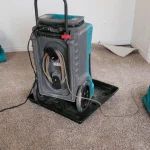
- Drying & Dehumidification – Industrial-grade equipment is often necessary to ensure affected areas are thoroughly dried, preventing further deterioration.
- Content Restoration – Personal belongings, furniture, and electronics may require repair or replacement, adding to overall expenses.
- Labor & Professional Services – Skilled technicians play a crucial role in thorough restoration. Costs vary based on expertise and the level of service required.
- Insurance Coverage – Homeowners’ insurance may cover some costs, but understanding policy details is essential to avoid unexpected out-of-pocket expenses.
Ways to Reduce the Cost of Repairing Water Damage
- Act Quickly – Addressing the issue immediately helps prevent further complications and additional expenses.
- Document Everything – Before beginning repairs, take photos and notes for insurance claims.
- Consult Your Insurance Provider – Reach out to clarify coverage details and initiate the claims process.
- Compare Estimates – Gathering multiple quotes from restoration companies ensures you make an informed decision.
- Implement Preventive Measures – Regular maintenance, leak detection devices, and proper drainage can help safeguard against future issues.

Conclusion
Cost of Repairing water damage is a complex and multifaceted process that can significantly impact your finances. Understanding the factors that contribute to the costs and taking proactive steps to address the issue promptly can help you minimize the financial burden. While it’s impossible to completely eliminate the risk of water decay, being prepared and informed can make a substantial difference in both the extent of the decay and the costs associated with its repair.
FAQ
1: How Do I Prevent Water Decay at Home?
Preventing water damage involves routine maintenance and vigilance. Ensure your gutters are clean, fix any leaks promptly, install a sump pump if you’re prone to flooding, and consider using water leak detection devices. Regularly inspect your plumbing, and know the location of your main water shut-off valve for emergencies.
2: Does Homeowners Insurance Cover Water Destruction?
It depends on the cause and your policy. Typically, sudden and accidental water destruction (e.g., burst pipes) is covered. However, gradual issues (e.g., long-term leaks) might not be. Review your policy, consider adding specific water destruction coverage if needed, and report any destruction promptly to your insurance provider.