How to Identify Mold and Stains from Burst Pipes
Identifying Mold Growth
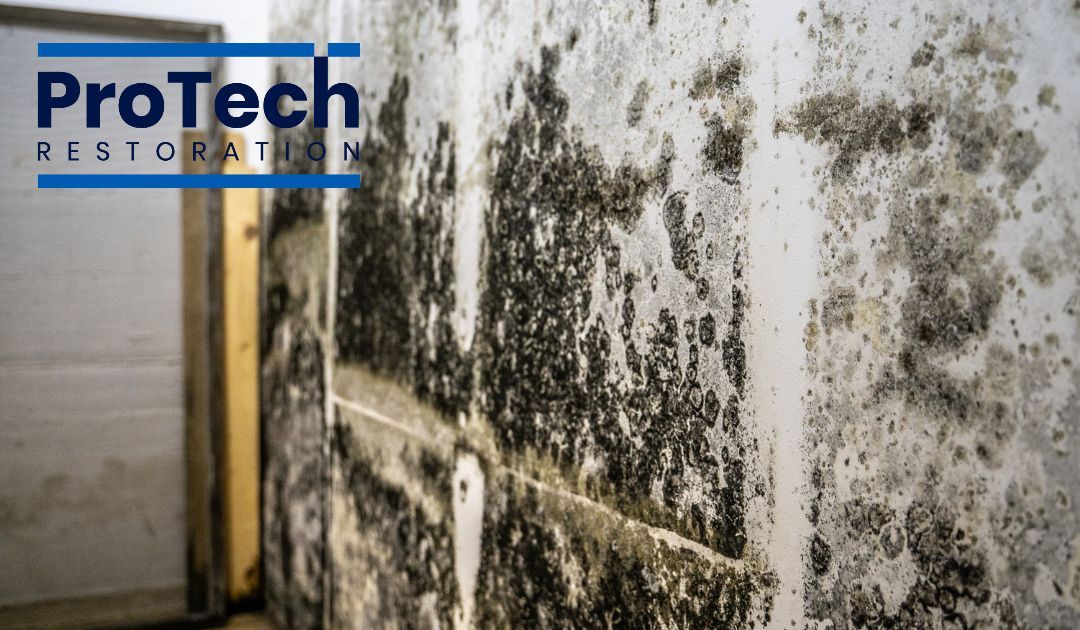
Mold is a type of fungus that thrives in damp, humid environments. After a burst, moisture can seep into various materials and create the perfect conditions for mold growth. Identifying mold and stains from burst pipes early is crucial, as it can lead to health problems and structural damage if left unchecked. Here’s how to spot mold and stains from burst pipes:
Visual Clues: Mold often appears as fuzzy, discolored patches on walls, ceilings, or other affected surfaces. It can be black, green, brown, or even pinkish in color, typical of mold and stains from burst pipes. Musty Odor: If you detect a musty, earthy smell in your home, it could indicate the presence of mold, even if you can’t see it immediately. This odor is a common sign of mold and stains from burst pipes. Allergic Reactions: Individuals with mold allergies may experience symptoms like sneezing, coughing, watery eyes, and skin irritation when mold is present. Water Damage History: If you’ve experienced water burst pipes or leaks in the past, there’s a higher likelihood of mold growth. Even if the area has been dried, mold can develop over time.
Recognizing Splotches
Splotches can result from the residue left behind by water, minerals, or contaminants. Identifying the type of stain can help determine its source and the necessary steps for removal. Here are common types of splotches you might encounter after a burst:
Water Splotches: These appear as discolored patches on surfaces like ceilings and walls. They’re usually light brown or yellow and can indicate the path water took as it seeped through materials. Mineral Splotches: Minerals in water can cause white, chalky splotches on surfaces. These stains are often left behind when water evaporates, leaving mineral deposits behind. Organic Splotches: These splotches can result from the growth of mold, mildew, or algae. They may appear green, black, or even red, depending on the organisms present.

Health Risks
Both mold growth and splotches can have adverse effects on your health. Mold releases spores into the air that can trigger allergies and respiratory problems. Smudges can also indicate the presence of harmful substances or contaminants that may affect indoor air quality. Addressing these issues promptly is essential for maintaining a safe and healthy living environment.
Steps for Identification and Remediation of Mold and Stains from Burst Pipes
- Visual Inspection: Regularly inspect areas prone to water exposure, such as basements, bathrooms, and around windows. Look for visual signs of mold and smudges from burst pipes to catch problems early.
- Use of Tools: Utilize tools like moisture meters to detect hidden moisture within walls or flooring, which can contribute to mold and stains from burst pipes. Early detection can prevent larger issues down the road.
- Professional Assessment: If you’re unsure about the extent of damage or the presence of mold and stains from burst pipes, consider hiring a professional to assess the situation and recommend appropriate actions.
- Prompt Cleaning and Remediation: If you identify mold and stains from burst pipes, clean the area promptly. For mold, use appropriate cleaning agents and protective gear, or hire professionals for extensive cases. Smudges may require specific cleaning methods based on the stain type.
- Preventive Measures: To prevent future issues, address leaks and burst pipes promptly, improve ventilation, and maintain proper humidity levels in your home. These steps are crucial to avoid the recurrence of mold and stains from burst pipes.
Conclusion
Identifying mold growth and stains resulting from burst pipes is crucial for maintaining a healthy and safe living environment. Early detection and swift action can help prevent health problems and further damage to your home. Regular inspections, prompt cleaning, and preventive measures are essential steps to ensure that water burst pipes don’t lead to long-term issues like mold infestations and unsightly smudges.
FAQ’S
- What are the health risks associated with mold and smudges resulting from water-burst pipes?
Mold can release spores that trigger allergies and respiratory problems, while smudges can indicate the presence of harmful substances or contaminants that affect indoor air quality. Prompt identification and remediation are essential to maintain a safe and healthy living environment.
- How can I identify mold and smudges after a water burst?
Mold often appears as fuzzy, discolored patches on surfaces, emits a musty odor, and can cause allergic reactions. Smudges can vary in color and type, such as water, mineral, or organic smudges. Regular visual inspections and, if necessary, the use of tools like moisture meters can help in identification.
- What steps should I take if I find mold growth or smudges in my home after a water burst?
If you discover mold growth, use appropriate cleaning agents and protective gear to clean the area or consider hiring professionals for extensive cases. Smudges may require specific cleaning methods based on the type. Additionally, address the source of the burst promptly and take preventive measures to avoid future issues, such as improved ventilation and humidity control.