How to Identify Early Signs of Water Damage: Discoloration, Musty Odors, and Peeling Paint
Water damage poses significant risks and expenses for homes and properties. Regardless of its source – be it a leaky roof, burst pipe, or high humidity – it can cause structural problems, mold growth, and health hazards. Early detection is crucial. Learn about signs like discoloration, musty odors, and peeling paint to take swift preventive measures.
Changes in Wall and Ceiling Appearance:
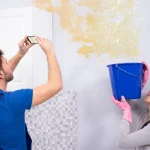
One of the first places to look for signs of liquid defacement is on your walls and ceilings. Stains, discoloration, or bubbling paint can indicate that liquid is seeping into these areas. Pay close attention to corners and edges, as these are common areas for aqua to accumulate and cause defacement. If you notice any unexplained changes in these surfaces, it’s worth investigating further.
Musty Odors:
An unpleasant, musty smell can be a telltale sign of mold growth, which often thrives in damp environments. If you notice a lingering odor, particularly in areas prone to moisture, such as basements or bathrooms, there might be hidden water destruction or mold issues. Addressing this promptly can prevent health risks and further defacement to your property.
Warped or Buckling Floors:
Water can easily find its way into the gaps between floorboards, causing them to warp, buckle, or become discolored. This is especially common in areas exposed to frequent moisture, like bathrooms and kitchens. If you notice any changes in your flooring, investigate the cause to determine if liquid defacement is present.
Deteriorating Grout and Caulking:
Grout and caulking around sinks, tubs, and showers are susceptible to H2O defacement. If you notice cracking, crumbling, or missing grout, or if caulk is peeling away, H2O may be infiltrating these areas. Regularly inspect and maintain these seals to prevent H2O from seeping into hidden spaces.
Unexplained Increase in Utility Bills:
A sudden, unexplained spike in your H2O bill could indicate a hidden H2O leak. Even minor leaks can waste a significant amount of H2O over time, leading to higher bills. Keep an eye on your utility statements, and if you notice a significant change, investigate the cause immediately.
Visible Mold Growth:
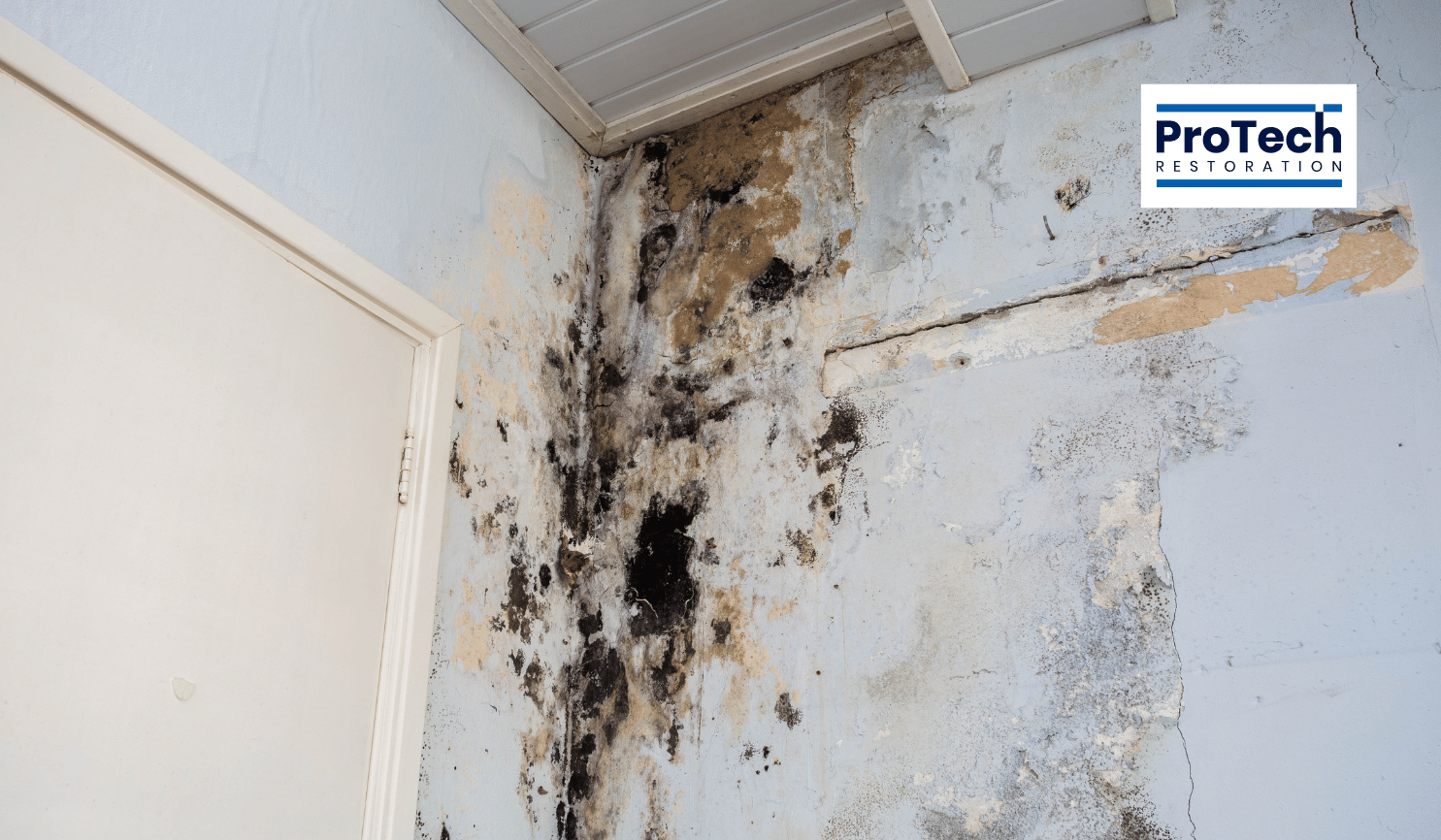
Mold can quickly grow in damp and humid environments, and it often appears as discolored patches or fuzzy growth on walls, ceilings, or other surfaces. If you spot mold, it’s a clear sign of H2O defacement that needs attention. Addressing mold promptly is crucial for both property preservation and health reasons.
Dripping or Leaking Pipes:
Obvious signs of water damage include leaking or dripping pipes. Check under sinks, behind appliances, and in basements or crawl spaces for any signs of H2O accumulation or dampness. Fixing leaky pipes early can prevent larger issues down the line.
Conclusion:
Recognizing the early signs of H2O defacement is essential for preventing further deterioration of your property and minimizing repair costs. Regular inspections and vigilance are key to maintaining a dry and healthy living environment. If you suspect H2O defacement, it’s wise to consult with professionals who can identify the source, assess the extent of the defacement, and recommend appropriate solutions. By addressing H2O defacement early on, you can protect your investment and ensure the safety and comfort of your home for years to come.
FAQ’S
1: What should I do if I discover water damage in my home?
If you discover H2O defacement in your home, it’s crucial to take immediate action to prevent further defacement and potential health hazards.
2: Can I handle small H2O defacement repairs myself, or should I always hire professionals?
The decision to handle small H2O defacement repairs yourself or hire professionals depends on the extent of the defacement and your expertise.