How to Safeguard Your Home Against Floods: A Comprehensive Guide to Flood Safety Measures
Floods are natural disasters that can cause immense damage to homes, properties, and even lives. With climate change leading to more unpredictable weather patterns, it’s essential to take proactive steps to safeguard your home against the potential threat of inundation. In this comprehensive guide, we’ll explore various strategies and measures you can take to protect your home from inundation and minimize the risk of devastation.
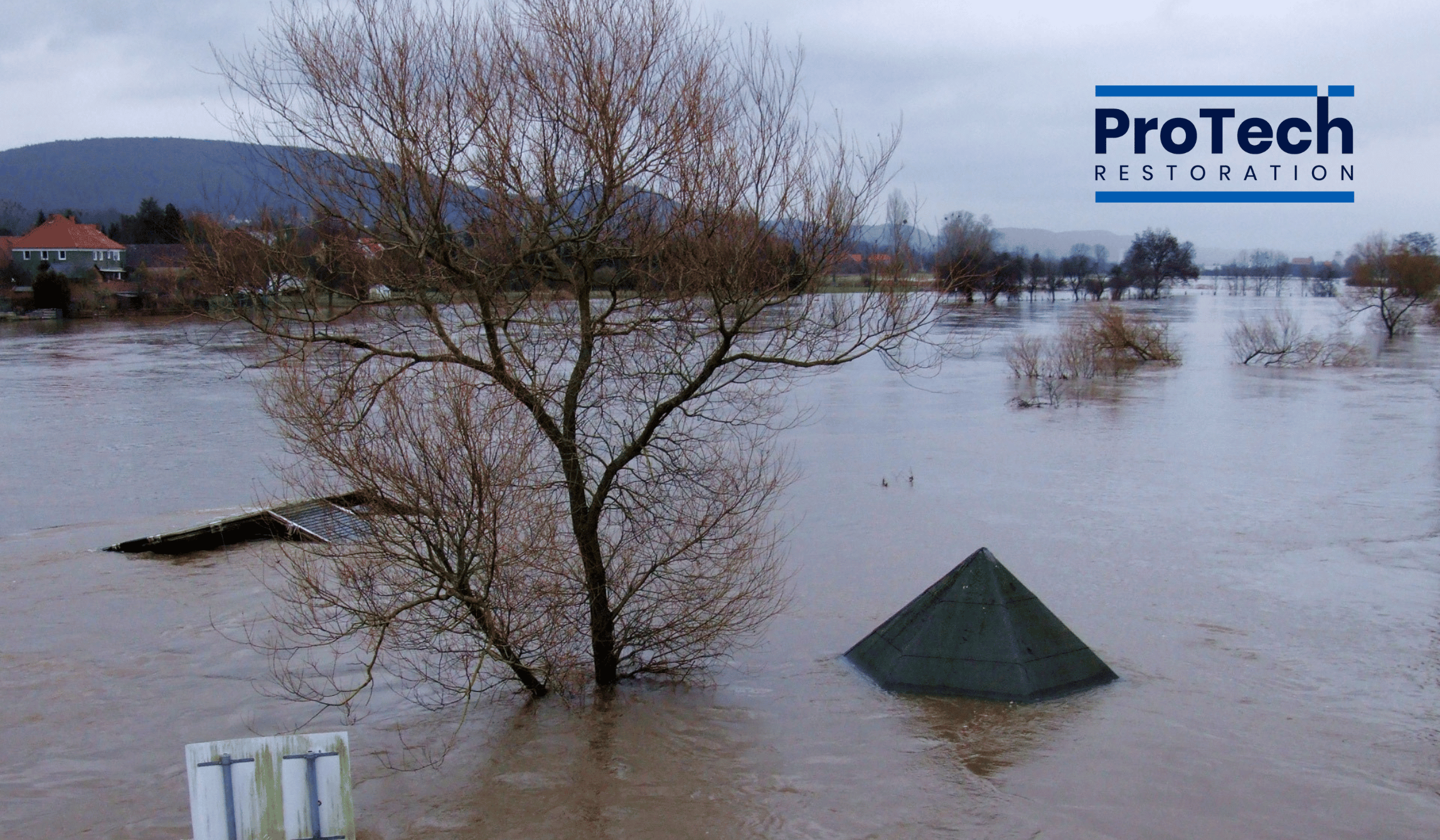
Understanding Floods:
Before delving into protective measures, it’s important to understand the different types of floods. indication be categorized into several types, including:
- Flash Floods: These occur rapidly due to heavy rainfall or a sudden release of water (e.g., dam break), causing water levels to rise swiftly.
- River Floods: These result from prolonged heavy rainfall over a large area, leading to rivers overflowing their banks.
- Coastal Floods: Often caused by hurricanes or tsunamis, coastal inundation involves the inundation of coastal areas due to high tides and storm surges.
- Urban Floods: Resulting from poor drainage systems, these inundations occur in cities where rainwater accumulates due to impermeable surfaces.
Safeguarding Measures:
- Elevate Electrical Systems: Raise electrical outlets, switches, and circuit breakers above anticipated inundation levels to prevent electrical damage during inundation.
- Waterproofing: Apply waterproof coatings and sealants to walls, foundations, and basements to prevent water infiltration.
- Install Sump Pumps: Sump pumps can efficiently remove excess water from basements, helping to prevent flooding.
- Elevate Utilities: Elevate heating systems, water heaters, and other utilities to higher levels, reducing the risk of damage.
- Landscaping Techniques: Modify your landscape by creating slopes away from the foundation, installing rain gardens, and using permeable materials for walkways.
- Flood Barriers and Levees: Consider installing inundation barriers or levees around your property to redirect or contain floodwater.
- Backflow Valves: Install backflow valves in plumbing lines to prevent sewage from backing up into your home during inundation.
- Elevate Structures: If possible, elevate your entire home on pilings or piers to reduce the risk of inundation of water entering.
- Flood-Resistant Materials: Use overflow-resistant materials for walls, flooring, and insulation to minimize water damage.
- Emergency Kit: Prepare an emergency kit with essential supplies, including food, water, medications, and important documents, in case you need to evacuate.
Insurance and Preparedness:
- Flood Insurance: Standard homeowners’ insurance usually doesn’t cover overflow damage. Invest in a separate inundation insurance policy to financially protect your property.
- Emergency Plan: Develop a comprehensive emergency plan for your family, including evacuation routes and meeting points.
- Stay Informed: Monitor weather forecasts and overflow alerts from local authorities. Install weather apps and sign up for emergency alerts.
Community Efforts:
- Drainage Maintenance: Participate in community efforts to maintain drainage systems, reducing the risk of urban overflow.
- Floodplain Management: Support and participate in local inundation plain management programs to ensure responsible land use in overflow-prone areas.
Conclusion: Safeguarding your home against overflow requires a combination of proactive measures, preparedness, and community involvement. By elevating structures, using overflow-resistant materials, investing in overflow insurance, and staying informed about overflow safety measures, you can significantly reduce the impact of inundation on your property and ensure the safety of your family. Remember, a comprehensive approach that combines personal efforts and community engagement is essential in effectively mitigating the risks posed by flooding.
FAQ’S
1. What should I include in a basic emergency kit for overflow preparedness?
Creating an emergency kit for overflow preparedness is crucial. Here’s a list of items to include:
- Non-perishable Food: Pack canned goods, energy bars, and dried fruits. Don’t forget a manual can opener.
- Water: Store at least one gallon of water per person per day for a minimum of three days.
- Medications: Ensure a supply of essential medications for your family.
- First Aid Kit: Include bandages, antiseptic wipes, tweezers, and necessary medications.
- Important Documents: Copies of identification, insurance policies, and other crucial documents sealed in waterproof bags.
- Flashlights and Batteries: Have multiple flashlights and extra batteries for each.
- Blankets and Clothing: Include warm blankets and extra clothing.
- Cash: Have some cash on hand as ATMs may not be accessible during overflow.
- Cell Phone and Charger: Keep a portable charger or extra batteries.
- Whistle: To signal for help if needed.
- Multi-tool or Swiss Army Knife: Useful for various tasks.
2. How can I determine if my home is in an overflow-prone area?
Determining if your home is in an overflow-prone area is essential for flood preparedness. Here’s what you can do:
- Flood Maps: Check FEMA’s torrent Map Service Center or your local government’s website for torrent maps that highlight flood-prone areas.
- Local Authorities: Contact your local floodplain management office or zoning department for information on flood zones and regulations.
- Insurance Company: Consult your insurance company as they often have data on torrent risks in specific areas.
Remember, even if your home isn’t in a designated torrent zone, it’s still a good idea to prepare for flooding, as floods can occur outside these zones due to various factors like heavy rainfall.
3. Can I retrofit my existing home to make it more freshet-resistant?
Yes, you can retrofit your existing home to make it more freshet-resistant. Here are some steps to consider:
- Elevate Utilities: Raise heating systems, electrical outlets, and water heaters above expected swamping levels.
- Swamping Vents: Install swamping vents in your foundation to allow water to flow through, reducing structural damage.
- Sealing and Waterproofing: Apply sealants and waterproof coatings to your foundation and walls.
- Sump Pump: Install a sump pump in your basement to remove excess water.
- Freshet-Resistant Materials: Use swamping-resistant materials for flooring, insulation, and walls.
- Backflow Valves: Place backflow valves in plumbing lines to prevent sewage backup.
- Landscape Modifications: Adjust your landscape with proper grading, swales, and rain gardens to divert water away from your home.
Consult a professional contractor or engineer with experience in inundation-resistant retrofits to ensure your modifications meet local building codes and effectively reduce inundation risks.