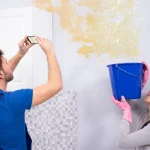
Liquid damage can be a nightmare for homeowners. Whether it’s due to a burst pipe, a leaky roof, or a flood, the aftermath of moisture harm can be devastating. Fortunately, there are effective water extraction techniques that can help minimize the potential long-term effects. In this article, we will provide you with expert insights and tips from Hammond, a renowned professional in the field of flood damage restoration. By following these guidelines and utilizing the proper water extraction techniques, residents can take the necessary steps to mitigate damage and restore their homes to their former glory.

Hammond’s Liquid Extraction Techniques
Liquid damage is a prevalent issue encountered by homeowners, which, if neglected, can result in significant structural complications and pose health risks. This article aims to navigate you through the essential process of water extraction, a critical step in mitigating the consequences of moisture harm. Employing effective water extraction techniques is crucial in addressing Liquid damage swiftly to prevent further deterioration of your property and ensure a safe living environment.
Understanding the Importance of Prompt Action
When it comes to water extraction techniques, time is of the essence. Acting quickly can significantly reduce the extent of damage and prevent further complications. The longer liquid sits in your home, the greater the risk of mold growth and structural deterioration, making immediate Liquid extraction a top priority.
Assessing the Extent of Moisture Harm
Before starting the liquid extraction process, it’s crucial to assess the extent of the damage. Determine the affected areas and categorize the damage into different classes based on the level of contamination and the source of liquid. This assessment will help you determine the appropriate course of action for applying the right water extraction techniques.
Ensuring Safety Precautions
Safety should always be a top priority during H2O extraction. Turn off the electricity in the affected areas to avoid electrical hazards. Wear protective gear such as gloves and boots, especially when dealing with contaminated H2O. Proper safety measures ensure that the water extraction techniques are carried out without risk to health.
Shutting Off the Liquid Source
To prevent further moisture harm, it’s essential to identify and shut off the H2O source. This could involve turning off the main liquidsupply or repairing a leaking pipe. By stopping the H2O flow, you can prevent additional damage and begin H2O extraction promptly.
Removing Excess Liquid
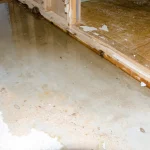
To begin the H2O extraction process, remove as much excess H2O as possible. Use buckets, mops, or a wet/dry vacuum cleaner to eliminate standing liquid. Pay close attention to areas with carpets, rugs, and upholstery, as they tend to absorb and retain H2O, requiring specialized water extraction techniques.
Drying Out the Affected Areas
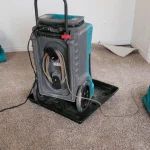
After removing excess H2O, focus on drying out the affected areas. Open windows and doors to improve ventilation and promote air circulation. Utilize fans, dehumidifiers, and air movers to expedite the drying process. This step is crucial in preventing mold growth and minimizing structural damage, making it an essential part of comprehensive water extraction techniques.
Addressing Moisture and Mold Issues
Even after thorough drying, moisture can persist in hard-to-reach areas. Use moisture meters to identify hidden pockets of moisture and take appropriate measures to address them. If mold growth is present, consult with a professional mold remediation service to ensure safe and effective removal.
Restoring Damaged Materials
H2O damage often results in the deterioration of building materials such as drywall, flooring, and insulation. Evaluate the extent of the damage and decide whether materials can be salvaged or need replacement. Employing effective water extraction techniques early on can help minimize the damage and preserve materials. Promptly addressing any structural issues is essential to restore the integrity of your home and prevent further complications.
Seeking Professional Assistance
While some H2O damage situations can be handled independently, significant incidents may require professional help. Flooding restoration experts have the knowledge, experience, and specialized equipment to tackle complex situations effectively. Their expertise in water extraction techniques ensures comprehensive restoration and helps mitigate long-term consequences.
Preventing Future Flood Harm
Prevention is key when it comes to moisture harm. Take proactive measures to safeguard your home, including employing water extraction techniques as part of your regular maintenance routine. This includes regular plumbing system inspections, roof checks, and ensuring proper drainage. Installing H2O detection devices and considering a sump pump can also help reduce the risk of future incidents. By incorporating these practices, you ensure both immediate H2O removal and the long-term preservation of your property’s integrity.
Frequently Asked Questions
1. How long does it take to dry out H2O-damaged areas?
The drying time can vary depending on several factors, including the extent of the damage, humidity levels, and airflow. In general, it may take anywhere from a few days to several weeks to completely dry out H2O-damaged areas.
2. Can I use a regular vacuum cleaner for H2O extraction?
No, it is not recommended to use a regular vacuum cleaner for water extraction. Regular vacuum cleaners are not designed for handling liquids and can be damaged. Instead, use a wet/dry vacuum cleaner specifically designed for H2O extraction.
3. What are the signs of mold growth after Aquatic Destruction?
Signs of mold growth include a musty odor, visible mold patches, discoloration on walls or ceilings, and respiratory symptoms such as coughing and sneezing. If you suspect mold growth, it’s important to address it promptly to prevent health issues.
4. Is it necessary to replace all damaged materials?
Not all damaged materials need to be replaced. The extent of the damage and the storability of the materials will determine whether they can be salvaged or should be replaced. Consult with professionals to assess the best course of action.
5. How can I prevent Flooding Injury in the future?
To prevent Aquatic Destruction, conduct regular inspections of your home’s plumbing and roofing systems. Ensure proper drainage around your property and install H2O detection devices. Promptly address any leaks or signs of H2O intrusion to prevent future damage.
Conclusion
Don’t let Flood Harm overwhelm you! Contact Protech Restoration in Chicago now and take control of the situation. We understand the distressing experience Aquatic Destruction can bring, but with our expertise, we can help you mitigate its effects. Our team is ready to promptly address H2O extraction, thoroughly dry out affected areas, and implement preventive measures to safeguard your home from further damage. Don’t wait, take action today and ensure a safe living environment for you and your family. Remember, seeking professional assistance is crucial for comprehensive restoration. Take the necessary steps to protect your home and prevent future Moisture Harm. Call Protech Restoration in Chicago now!